by bbc.gmhd | May 15, 2023 | blog
Since Belgian beer has a long history dating back centuries, it is not surprising that it has become an iconic beverage enjoyed across the world. The intricate entwining of Belgian beer with Belgian tradition and culture makes it so fascinating to study. And visits to Belgian beer cafes are among the best ways to experience Belgian beer and learn about its history. In this post, we’ll explore the world of Belgian beer and learn about its traditions, varieties, and distinctive qualities.
Introduction to Belgian Beer and its History
Belgian beer is renowned for its long history and superb flavour. Belgian beer is unique due to its use of a variety of ingredients and a unique yeast strain. Records of beer brewing date back to the Middle Ages, and beer continues to be an integral part of Belgian culture. Belgian brewers have created some unique flavoursome beer varieties all over the world.
Long before Belgium gained independence, during the time of the First Crusade, French and Flemish abbeys began brewing and selling beer as a way to raise money. The seven centuries that followed saw the development of the typical craft brewing techniques used today, which were greatly influenced by Belgium’s abbey brewers.
Even if all of the goods produced by modern abbey breweries fail to conform to rigid brewing standards. Yet the majority of them tend to feature the most identifiable. Trappist-type beers: dark brown dubbel ales, powerful golden tripel ales, and blonde ales. Belgium is a popular destination for beer-loving tourists from all over the world, with about 235 breweries producing thousands of different beers.
One of the key factors that set Belgian beer apart is the use of a wide variety of ingredients, including fruits, spices, and herbs, which gives the beer a complex flavour profile. A unique yeast strain used by Belgian brewers adds distinctiveness to the beer.
Belgian Beer Styles and Their Unique Characteristics
Belgian beer is renowned for its enormous range of types, each with unique features. Here are the most loved classic Belgian beer:
White beer, or witbier: A light, flavorful wheat-based brew that tastes better with coriander and orange peel.
Dubbel: A dark, malty beer with a rich caramel flavour.
Tripel: A solid, golden beer that tastes fruity and peppery.
Saison: A flavorful, light beer with a hint of spice and fruit.
Lambic: A sour beer produced with wild yeast and matured in oak barrels
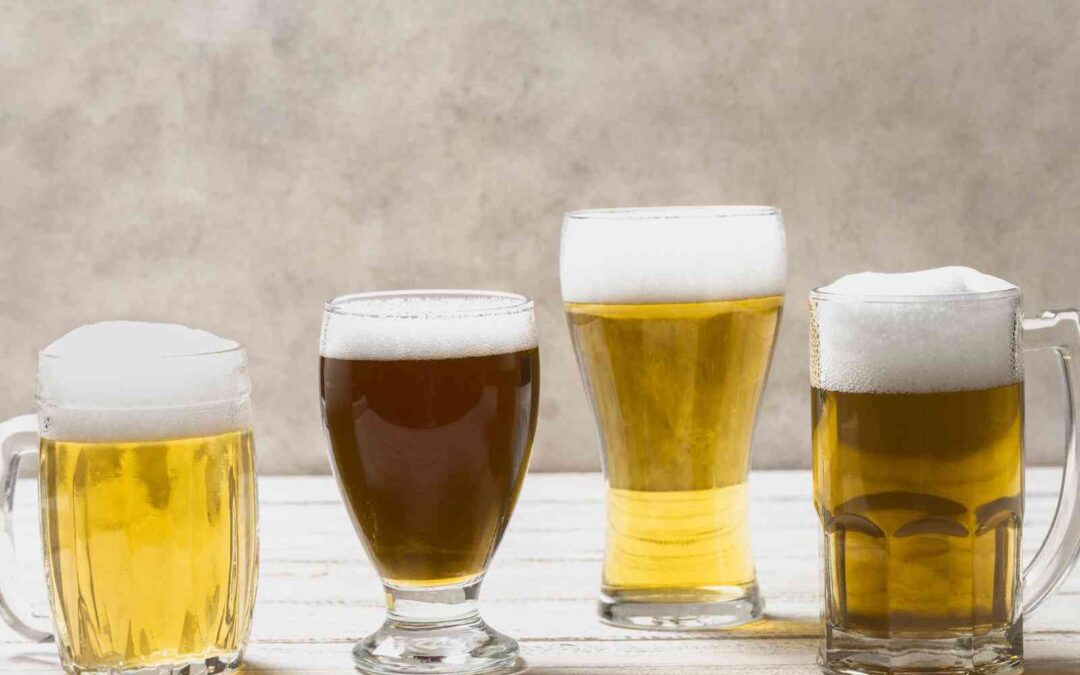
These are just a few of the various kinds of Belgian beer that are offered. Each style is interesting to explore because it has its flavour profile and background. The glass’s design significantly impacts the beer’s flavour, making it an essential component of the Belgian beer experience.
The Rise of Belgian Beer Cafe
Belgian beer cafe has become increasingly popular in recent years, offering a unique experience for beer enthusiasts. They have been around for centuries, but it wasn’t until the 1990s that they began to gain popularity outside of Belgium. Today, they can be found in cities around the world, offering a taste of Belgian culture and history.
The Experience of Visiting a Belgian beer cafe
Visiting a Belgian beer cafe is an experience like no other. The relaxed atmosphere and wide selection of beer make it the perfect place to unwind and enjoy a cold one. Whether you are a beer enthusiast or just looking for a unique night out, a Belgian beer cafe is a great choice.
Our Belgian beer cafe in Grand Millennium is a perfect example of the Belgian beer cafe experience. Located in the heart of the city, this cafe offers over 50 different types of Belgian beer as well as a cosy atmosphere to enjoy them in. The traditional Belgian style decoration, with dark wood panelling and stained glass windows, is fascinating. The staff is knowledgeable about Belgian beer and can help you choose the perfect beer to suit your tastes.
History of Belgian Beer
The Food & Drink Menu at The Belgian Beer Cafe
A Belgian beer cafe often includes a menu of classic Belgian meals in addition to its extensive beer selection. The food complements beautifully with the various types of beer elevating the overall experience.
Among the most well-liked foods are stoolies (beef stew), croquettes (deep-fried appetisers), and moules-frites (mussels with fries). All of these dishes are filling and delectable, making them the ideal match for a cold Belgian beer.
Tips for Enjoying Belgian Beer & The Belgian Beer Cafe Experience
Here are some suggestions to keep in mind, whether you are new to Belgian beer or the Belgian beer cafe experience. Looking for recommendations from the personnel is an excellent first step. They might help you select the right beer to suit your tastes because they know Belgian beer.
Second, ensure that you try a range of various beer varieties. Each of the numerous different styles of Belgian beer has an individual flavour character. Last but not least, take your time and relish the occasion. The whole point of Belgian beer culture is to take it easy and relish the moment.
Belgian Beer Festivals & Events
Belgium Beer Café, holds Numerous beer festivals and events annually. These gatherings provide an opportunity to try a wide range of Belgian beers while learning more about their history and culture. The Belgian Beer Weekend, the Zythos Beer Festival, and the Brussels Beer Festival are a few of the most well-liked occasions. These events are an excellent way to learn about Belgian beer culture and attract beer fans from all around the world.
What makes Belgian beer and the Belgian beer cafe interesting? Both Belgian beer and the Belgian beer cafe are interesting to explore because of their fascinating pasts, different styles, and casual ambience. A Belgian beer cafe is a terrific option if you enjoy a beer or are just looking for a fun night out. Here you authentic taste of Belgian culture that is not to be missed with its extensive beer variety and classic Belgian meals. So why not give it a shot and learn about Belgian beer’s fascinating past for yourself?
Discover for yourself the rich history and unique flavour profiles of Belgian beer by going to the local Belgian beer cafe.
by bbc.gmhd | May 15, 2023 | blog
Belgian beer is popular for its distinctive flavour and pleasant smell, thanks to the country’s rich brewing traditions. However, did you know that pouring and serving Belgian beer requires a certain level of finesse? Nobody wants to sip from a glass that is foamy. While some individuals try to stay away from the foam, others like the fizzing sound it makes. While we can easily remove the excess foam with a beer scraper or comb. The art of pouring Belgian beer involves more than just tipping the glass; it’s about creating the perfect head while preserving the flavour notes. Knowing how to pour and serve your beer properly will make a difference, whether at home or at a Belgian Beer Cafe in Grand Millennium Dubai.
In the article below, we will offer you a few tips on how to properly pour and serve Belgian beer. Whether you’re a seasoned bartender or simply looking to impress your friends at home, these techniques will elevate your drinking experience to new heights! After all, there is much more to it than simply opening a bottle or tapping a keg. Belgian beer’s texture, flavour, and fragrance may all be improved by correctly pouring it. By taking the time to pour the beer properly, you may dramatically improve the drinking experience and bring out the best aspects of the brew. It is capable of creating a moment that is genuinely remarkable.
Belgian Beer
How important is the art of pouring Belgian beer?
You cannot overlook the technique of serving Belgian beer. Your can improve your drinking experience by learning how to pour the perfect pint, which requires a certain amount of expertise and understanding.
First and foremost, it’s important to keep in mind that each different type of Belgian beer has a particular glass and pouring style. For instance, Lambic beers need a lot of head due to their naturally occurring carbonation, while Trappist beer customers demand an appropriate pour with a steady hand to prevent excess foaming.
Second, utilising the appropriate pouring techniques may help preserve the aroma and freshness of the beer. A drink that has been properly served will have a thick head, and this improves the taster’s experience by retaining the flavours.
As a consequence of mastering this process, bar or bistro cafes like Belgian Beer Cafe at Grand Millennium Dubai and Bistro Bar Dubai have achieved improved customer satisfaction levels and are able to serve their customers in a more timely way, especially for those who appreciate the worth of well-made alcoholic drinks. Pouring and serving Belgian beer correctly is vital for both leisure drinking and a livelihood in bartending. You’ll not only surprise your friends by correctly pouring Belgian beer, but you’ll also significantly improve the time you have with the drinks.
Let’s dive into how to pour it the right way: tips and tricks
Belgian beer serving and pouring is an art that demands precision, practice, and talent. Here are some hints and techniques to help you become an expert:
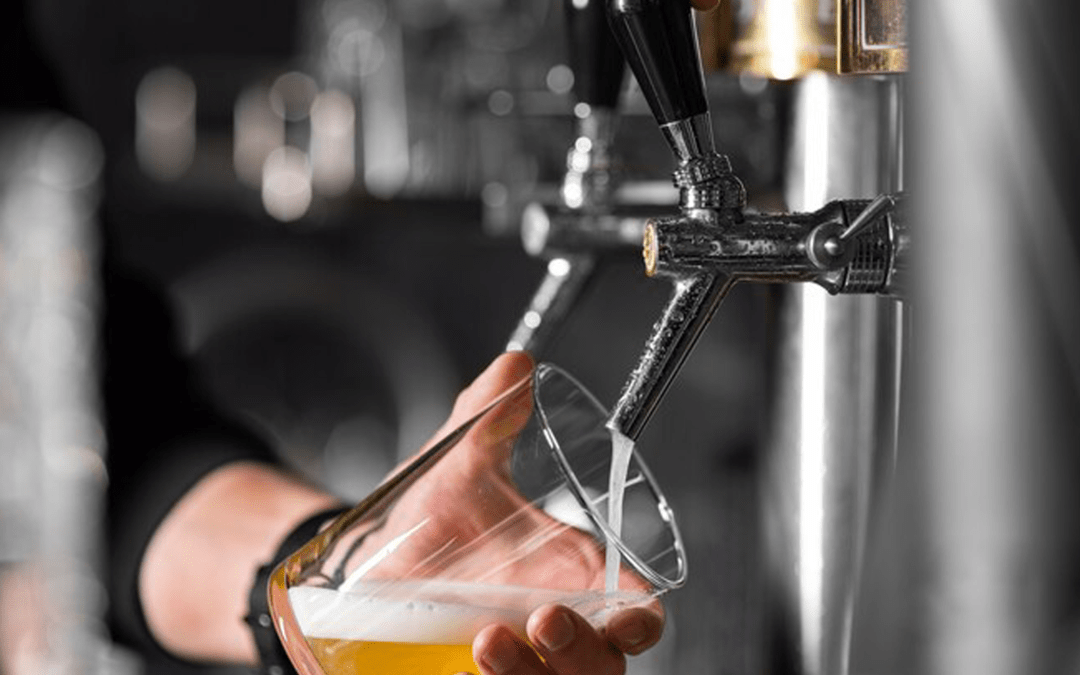
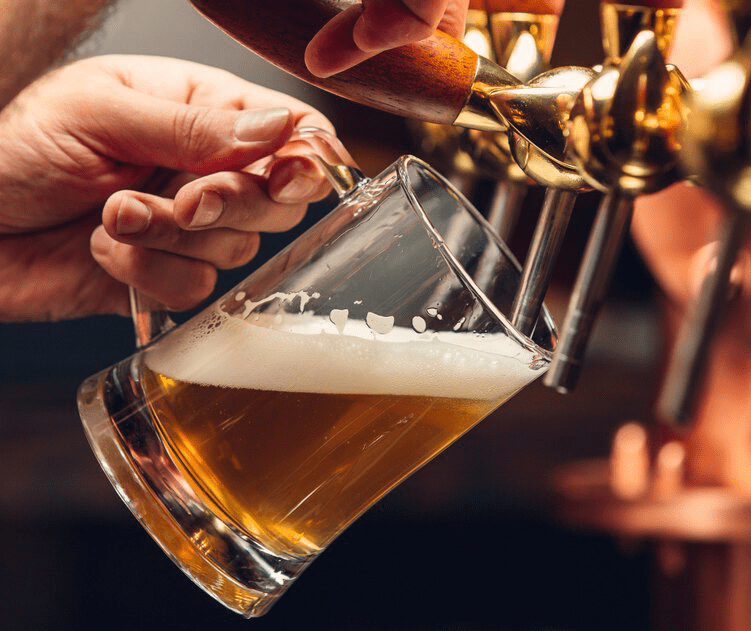
- Pour correctly: . The carbonation release will result in a thick, foamy head beer . To reduce the quantity of foam that forms, make sure to pour the beer down the edge of the glass.
- Hold properly: Gently pour Belgian beer into steady 45-degree-angled glass with minimum headspace. The carbonation will be released as a result, so that the beer can breathe and give it a thick, foamy head. To reduce the quantity of foam that forms, make sure to pour the beer down the edge of the glass.
- Temperature holds importance: For the finest flavour profile, serve the Belgian beers within a certain temperature range. Before pouring a beer, make sure your glasses are cooled in the refrigerator.
- Glassware Choice: You can influence the experience of drinking Belgian beer significantly by the choice of glassware. The correct glass will improve the flavour, colour, and level of carbonation while giving it an appealing appearance.
- Cleaning is important. If you keep your taps clean by regularly flushing them out, they won’t gather mould or residue from old kegs or chemicals used for cleaning. Rinse the glass with cold water to get rid of any remaining soap or substances before pouring the beer. Following this technique of hygiene won’t damage the beer by any unwanted smell or flavours.
- Use fresh beer: To fully appreciate the nuanced flavours of Belgian beers, freshness is essential. Take a moment to appreciate the beer’s appearance and aroma before you take your first sip.
If you implement these recommendations and methods into your skill set in the field of hospitality, you will be able to offer customers an unforgettable dining experience when drinking genuine Belgian beers, similar to what Grand Millennium’s Belgium Beer Café provides for those who visit it.
Conclusion
It’s undoubtedly one of the best beers in the world. For every taste, there is a Belgian beer. The way you pour and serve Belgian beer is necessary for getting the maximum joy out of your beverage. The unique flavours and textures from extensive brewing method can only be fully appreciated when properly served.
Keep in mind to select the appropriate glassware for each type of beer, maintain good temperature management, tilt your glass while carefully pouring, and provide enough room for head formation. Furthermore, if necessary, to sprinkle it with the proper condiments. You’ll be able to appreciate every sip of the rich flavour of best beer as intended by its brewers by using these straightforward tips and tactics for pouring and serving it. So feel free to make yourself a cold one right now!
by bbc.gmhd | May 15, 2023 | blog
Beer lovers from all around the world now frequently visit Belgian beer cafes. Here, you can have an unforgettable time while sipping on a large selection of beers. Each beer has its unique flavour and smell. Many people are unaware of the importance of the type of glassware to serve these beers. But the use of glassware to serve these beers can play a critical role in improving the drinking experience.
In this blog post, we will delve deeper into glassware’s role glassware plays at a Belgian beer cafe.
Understanding the Importance of Glassware
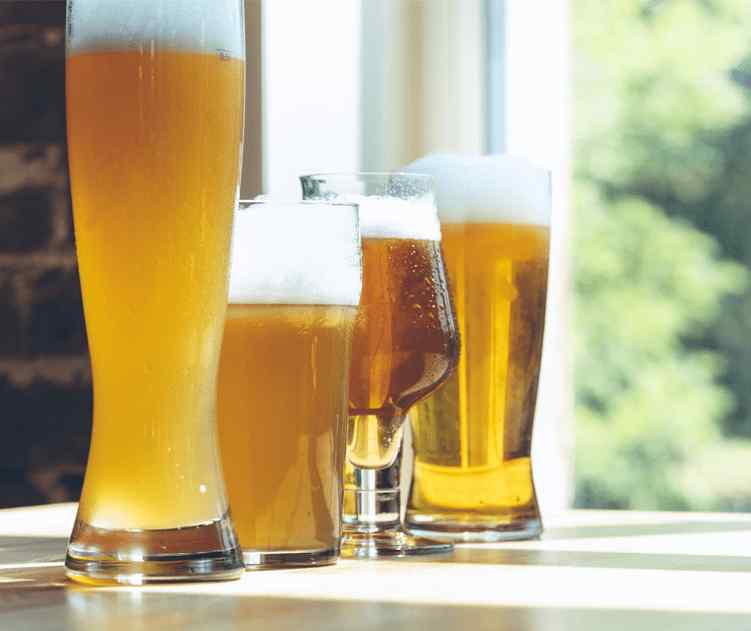
Belgian beer’s appeal is based on more than just its flavour. Beer is served in glasses that have been created specifically to improve the drinking experience. The glass’s shape, rim thickness, and even material composition can all impact how the beer tastes and smells. For instance, Belgian strong ales are frequently served in tulip-shaped glasses. The broad mouth of this glass allows one to thoroughly enjoy the aroma of the beer, and the inward curve at the top. This shape aids in holding the head in place and enhancing the taste of the beverage.
Contrarily, Trappist beers, which are renowned for their rich flavours, are served in chalice-shaped glasses. The big bowl of this glass allows the beer to breathe and unleash all of its aromas, and the stem maintains a cool serving temperature.
Additionally, Belgian beer culture reflects within its glasses. Ancient glassware at Belgian beer cafés are commonly used for centuries. This enhances the experience of drinking beer in a Belgian cafe. Overall, in addition to paying tribute to the history of Belgian beer.
Belgian Beer Cafe
The History of Belgian Beer Glassware
The history of Belgian beer goes back to the Middle Ages.
The “Koetsier” glass, a huge tankard with a lid that keeps out dust and insects, was the first glassware used to serve beer in Belgium. For various varieties of beer, several glassware designs evolved. The “chalice” glass is one of the most recognizable varieties of Belgian beer glasses and is used to serve Trappist brews. Since the Westmalle brewery was originally introduced in the 1950s, this glass has become associated with Trappist brews.
Given the religious background of Trappist beer. The glass design is greatly influenced by Chalices. They used such designs during Catholic Mass. The “tulip” glass, which is used to serve Belgian strong ales, is yet another well-liked design of beer glass used in Belgium. The objective of this glass is to enhance the beer’s aroma and preserve its rich flavours. The wide bowl of the glass allows the beer to breathe, while the inward curve at the top of the glass concentrates the smells and aids in keeping the head in place.
The Future of Belgian Beer Glassware
Belgian beer cafes are still a favourite hangout for beer lovers all over the world. The need for traditional Belgian glassware is rising along with the popularity of Belgian beer. There has been a resurgence in interest in traditional glassware in recent years, and many brewers are now creating their distinctive glasses to improve the drinking experience. There will probably be a higher need for distinctive glasses that emphasise the depth and subtleties of each brew as the craft beer market grows.
Belgian beer cafes cater contemporary tastes of today’s world while serving Traditional glassware. These contemporary glasses highlight the distinctive hues, smells, and flavours of each beer. Modern glassware is also frequently lighter and thinner, making it simpler to grasp and drink from. Moving away from conventional, bulky glassware in favour of more svelte, beautiful forms that are both aesthetically pleasing and practical has become popular. For instance, several breweries are now manufacturing “stemless” glasses, which resemble wine glasses but do not have a stem. One can use these glasses for everyday use to boost the aroma and flavour of the beer.
As technology develops, we might even start to see glasses with built-in sensors that can tell us details about the beer in your glass. For example, details of alcohol content and the brewing method. Overall, it appears that Belgian beer café glassware will continue to evolve with design and invention, to improve beer aficionados’ entire drinking experience.
Enhancing the Belgian Beer Experience
An experience that is unparalleled in the world combines the rich history of Belgian beer with cutting-edge brewing methods in Belgian beer cafes that provide a singular tasting experience.
Here, the type of glassware used to serve beer is a crucial component of the overall experience. No matter if you’re sipping a Trappist beer from a chalice glass or a Belgian strong brew from a tulip glass, the glassware is essential to enhancing the scent and flavour of the beer.
We would recommend that you take a glance at the glass before enjoying our refreshing beer. If you intend to visit a Belgian beer cafe. Besides the fact that it reflects the long history of Belgian beer, it improves the experience of drinking a beer in a Belgian café by reflecting its long history.
Does sampling the best of Belgian beer culture interests you? Visit Bistro Bar Dubai, the premier place to find Belgian food and drink. Enjoy a variety of Belgian beers served in vintage glasses and indulge in authentic Belgian cuisine. Learn more about the history and culture of Belgian beer by participating in one of our workshops. Experience Dubai’s best Belgian beer culture by making a reservation today.
by bbc.gmhd | Apr 26, 2023 | blog
Belgian beers is widely recognized and celebrated worldwide. In fact, it is the only country in the world whose beer culture has been inscribed on UNESCO’s Representative List of the Intangible Cultural Heritage of Humanity. Belgian beer has a rich history and is widely celebrated around the world for its unique and diverse range of flavours. Belgian Beer Cafe is a great place to experience the culture of Belgian beer and cuisine.
A Brief History of Belgian Beer
Belgium’s remarkable variety of beers is impressive, despite the country’s relatively small size. One may wonder why so many regional specialities exist. The answer can be traced back to the early to the mid-19th century when Belgian breweries were typically small due to a tax incentive to remain so. Instead of packaging beer, they sold it directly to consumers from wooden barrels in their own pubs.
In 1845, there were 3,089 breweries in Belgium. Today, that number has dwindled to around 380. This has resulted in local production and consumption, preserving unique strains of yeast and maintaining the individual character of each town’s beer style. This limited distribution explains why Lambic beer is still primarily found in the Pajottenland and the Senne Valley, why Oud Bruin production remains strongest in South West Flanders, and why Saison is still most commonly associated with the province of Henegouwen.
In this blog, we will take a closer look at the different flavours of Belgian beers that you can experience at the Belgian Beer Cafe.
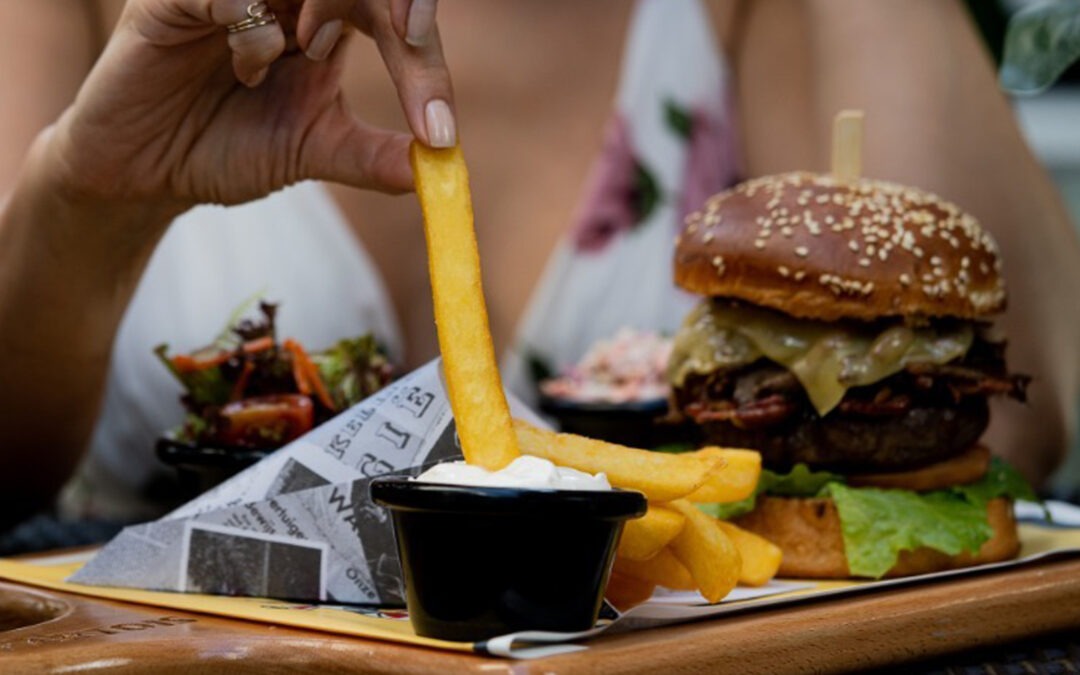
Lambic is a type of beer that is fermented using wild yeast and bacteria found in the air. This type of beer is known for its tart, sour, and fruity flavours. Lambic beer is often aged in oak barrels to give it a distinct flavour profile.
Dubbel is a type of beer that is characterized by its dark amber colour and malty flavour. This beer has a hint of sweetness and is often brewed with dark fruit, such as raisins or figs. Dubbel beer is typically medium-bodied and has a slightly bitter finish.
Tripel beer is a type of strong pale ale that is known for its high alcohol content and complex flavour profile. This beer is typically brewed using three times the amount of malt as a standard Belgian ale, hence the name “Tripel.” Tripel beer has a fruity, spicy flavour and is often aged in oak barrels to give it a more complex taste.

belgian beer cafe grand millennium
Saison beer is a type of farmhouse ale that was originally brewed for farm workers in Belgium. This type of beer is typically light-bodied and has a fruity, spicy flavour with a hint of bitterness. Saison beer is often brewed using a variety of herbs and spices, which gives it a unique flavour profile.
Witbier, also known as “white beer,” is a type of beer that is brewed using wheat and flavoured with coriander and orange peel. This beer is typically light-bodied and has a cloudy appearance. Witbier has a slightly sweet and spicy flavour and is often served with a slice of orange.
Trappist beer is a type of beer that is brewed by Trappist monks in Belgium. This beer is known for its rich, complex flavour and high alcohol content. Trappist beer is typically brewed using a variety of malted grains and hops, which gives it a unique flavour profile.
Belgian Strong Ale is a type of beer that is known for its high alcohol content and complex flavour profile. This beer is typically brewed using a variety of malted grains and hops, which gives it a rich, full-bodied flavour. Belgian Strong Ale is often aged in oak barrels, which gives it a more complex taste.
Spéciale Belges was born out of a competition held in the early 1900s to develop a local beer that could rival imported British ales and continental lagers. These average-strength beers have a distinctive red or copper colour and a malty flavour profile. They feature a subtle fruitiness from the yeast and a bready, occasionally toasty malt character. Despite their complex flavour, Spéciale Belges are known for their balance and drinkability.
Oud Bruin is a family of reddish-brown or brown beers with a caramel-chocolate malt flavour and a red-fruit complexity. They are often both sweet and sour, and sometimes present with a dry, tannic finish like a vintage red wine.
Conclusion
Belgian beers offers a diverse range of flavours that can be experienced at the Belgian Beer Cafe. From sour and spicy to fruity and malty, there is a Belgian beer for everyone. So next time you visit the Belgian Beer Cafe, consider trying a beer with a flavour profile that you haven’t tried before and experiencing the unique flavours that Belgium has to offer.
by bbc.gmhd | Apr 26, 2023 | blog
Flemish Beer Café, which took its design cues from the legendary Belgian pubs of the 18th century, will take you back in time to the city of Brussels. It is a location to pay homage to and remember Belgian history and its culinary delights, with a fully loaded menu that offers authentic Belgian food, an enormous variety of over 40 kinds of beer, and an ambience that reflects that time period. The best location to sample the huge selection of Belgian beers and Flemish snacks is at a global network of Belgian Beer Cafe. The Belgian Beer Café is the spot you want to go to when you are in serious need of some Flemish stew and fries to go with your Belgian pancakes, mussels, or waffles.
This industry is constantly growing as a result of the rising demand for convenience foods such as cold cuts, ready meals, and snacks that can be consumed on the move. The busy lifestyles of millennials and the increase in working populations worldwide have an impact on fast food consumption. This is probably going to help the fast food industry grow internationally. The amount spent by customers on meals eaten out from home has increased over the past few years.
One of the most significant aspects of culture and, by extension, popular culture, is food and drink. Understanding how popular culture affects people’s conduct on all fronts is crucial. There are differences in consumption behaviour based on demographic factors and the influence of popular culture on the intake of food and beverages.
The most crucial factor in choosing popular meals is that they are more saturated. The primary drivers of consumption are price and a product’s characteristics.
Food plays a significant role in popular culture, and a society’s eating habits are influenced by its beliefs, customs, and trends. A society’s ideas and products, including those produced through its commercial, political, media, and other institutions, as well as the effects of these ideas and products on society, are referred to as popular culture.
And so this Belgian Beer Cafe follows up a culture of marvellous tasting fast food and pop culture which remind their customers of a golden era!
Flemish Beer Café, modelled after the renowned Belgian pubs of the 18th century, will transport you to Brussels’s bygone eras. With a fully loaded menu that offers traditional Belgian food, a vast variety of over 40 varieties of beer, and an atmosphere that replicates that period of time, it is a place to pay respect to and commemorate the history of Belgium and its culinary pleasures.
best brunch in dubai
Belgian cuisine is well-known for more than just its beer, chocolate, waffles, and fries. In actuality, the history and cultural legacy of Belgium is what makes it the nation that we now like and respect.
With a fully loaded menu that offers real Belgian food and an atmosphere that replicates that period of time, Belgian Beer Café is a place to pay respect to and commemorate the history of Belgium as well as its gastronomic pleasures. Let’s travel back in time to the good – old days while you sit back and unwind.
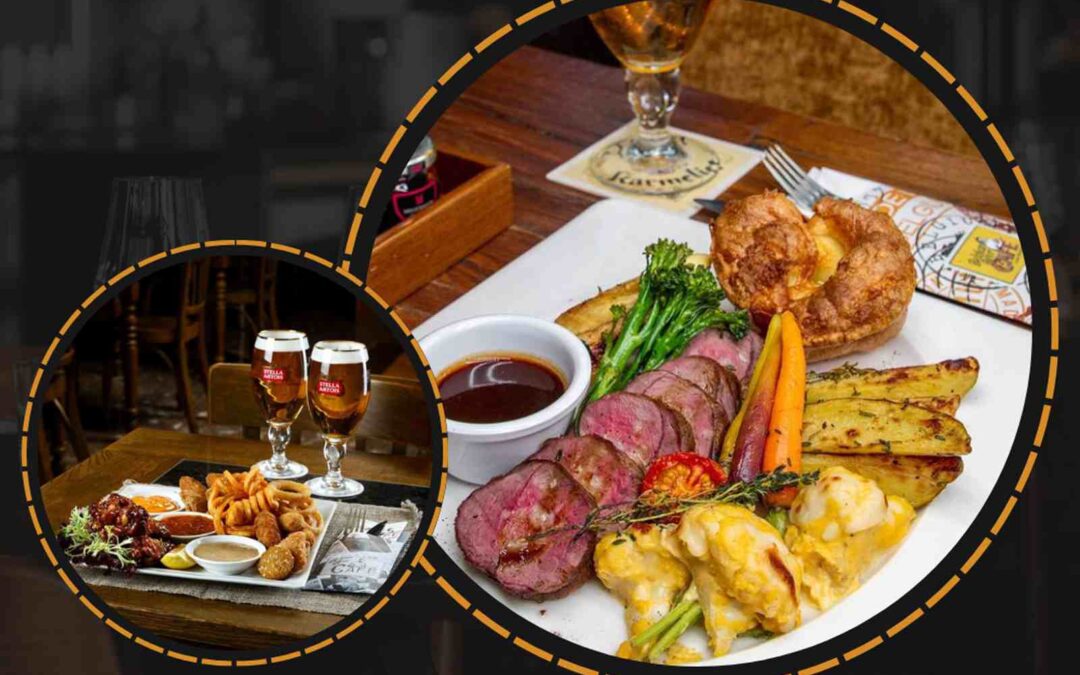
The Belgian beer cafe offers the ABCs of food pairing with an amazing food menu! To give you a manual for the ideal mashup of beer and cuisine that we offer.
Accentuate
Combine beer with comparable foods. Flavours to improve the tasting experience. Leffe Brune and Mousse are made with Belgian chocolate.
Balance
For a delicious overall flavour, pair distinct yet complimentary flavours of beer with food. Belgian mussels steam-coated in their own juice with Hoegaarden.
Contrast
For an unexpectedly tasty result, pair beer and food that have radically distinct tastes. Chicken Cornfort and Stella Artois.
These are our favourite pairings, which we recommend going well with any type of food you want to try and beer!
Large plates of food that may be presented during a party or gathering are known as food platters. These platters contain a range of items that are ideal for celebratory events or even simply basic food demands.
There are many options when ordering meal platters, whether you choose beef, chicken, pig, fish, seafood, spaghetti, noodles, or something else!
An oval or circular-shaped big flat dish or plate called a platter is used to serve a meal or course.
A platter is a phrase used in restaurants to describe a main meal that is frequently served with one or more side dishes, such as a salad or french fries.
The Indian thali, Arabian mixed-meat platters, and Colombian bandeja paisa are notable platters.
BBC PLATTER SHARING
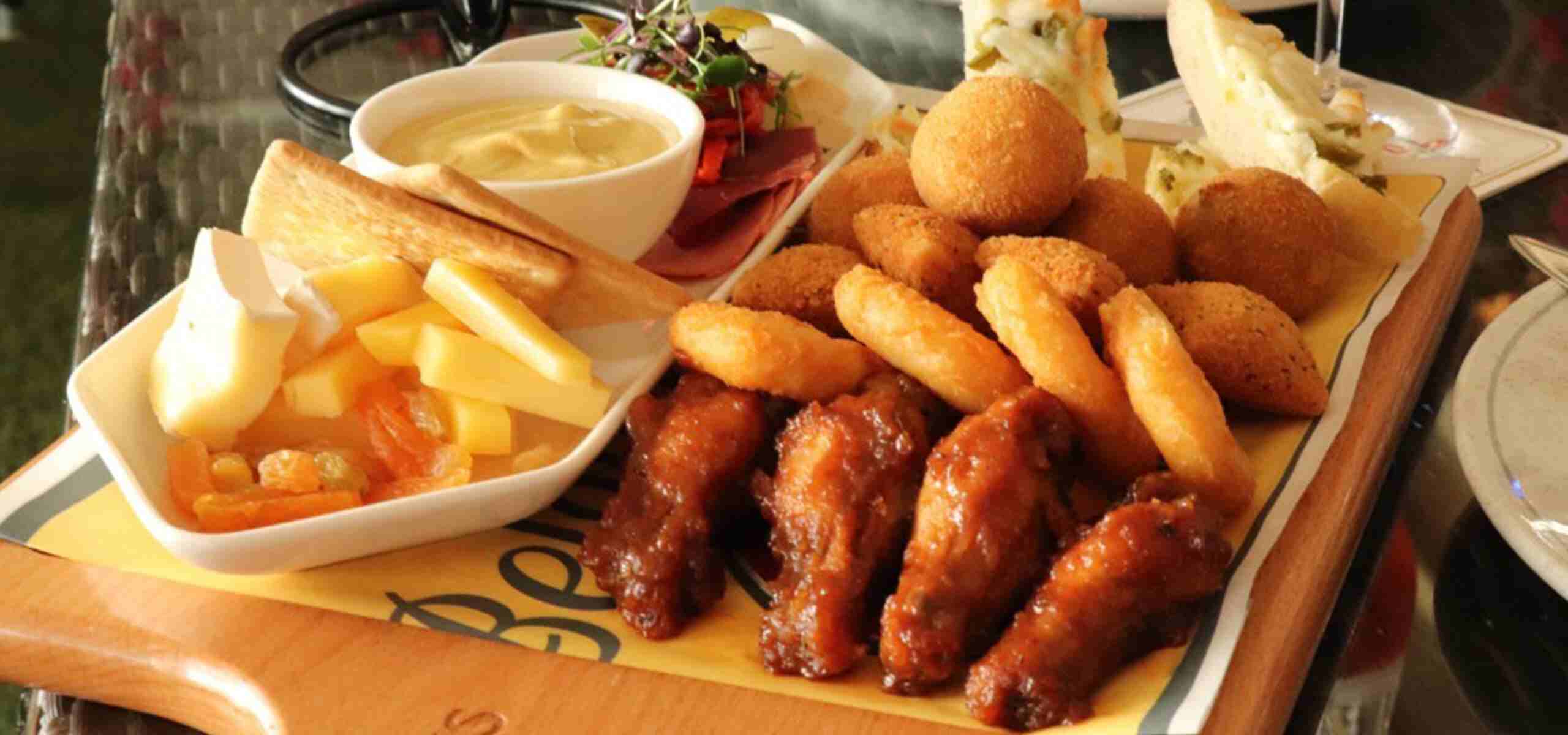
Served with a variety of cold meats, calamari rings, BBQ chicken wings, bitterballen, battered cod fish, and dipping sauces
DIP AND SHARE
Served with potato pops, onion rings, potato spiral, camembert bits, filled jalapenos nibbles, triangular queso and dipping.
MEXING MYSELF CRAZY
Served with kidney beans, melted cheddar cheese, and dipping sauce are three nachos.
CREAMY MELTED NACHOS
Melted cheddar cheese, jalapenos, and dipping sauce on top of the nachos.
The most loved HOPPETIZER that Belgian Beer Cafe offers is here for you, exclusively.
CHEESE AND CHARCUTERIES
Cold cuts and cheese selection served with mustard and pickles
CHEESY GARLIC JALAPENO
Garlic butter, cheddar cheese, mozzarella cheese, and jalapenos on a French baguette.
