by bbc.gmhd | May 26, 2023 | blog
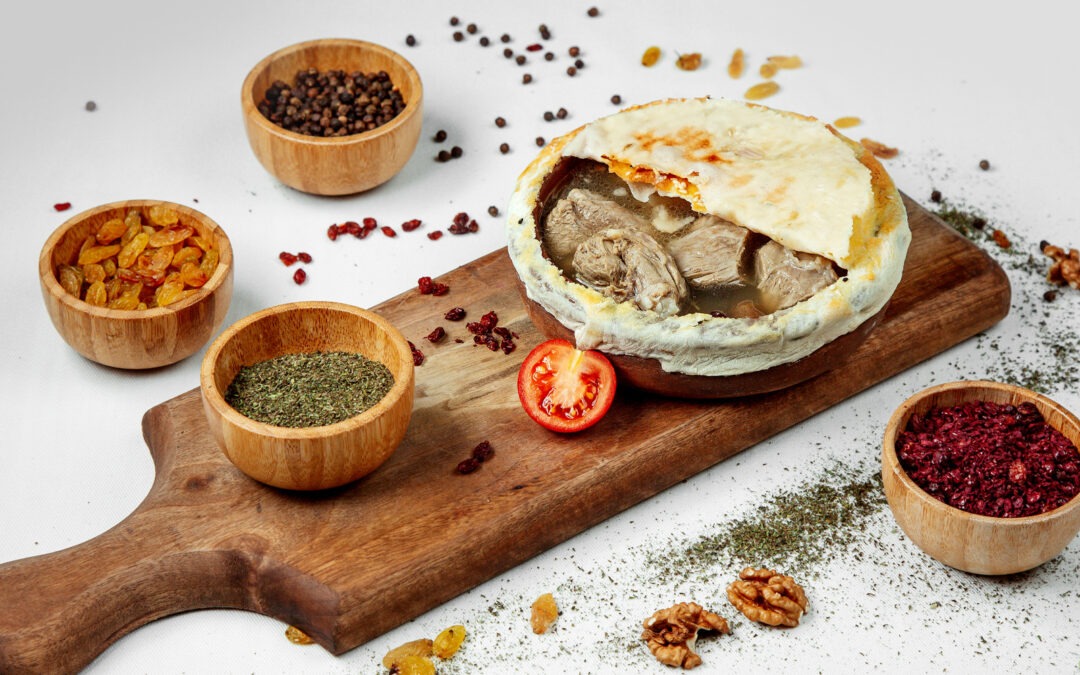
Belgian cuisine has a strong reputation even though it is a tiny country. The food is known for its rich, warming dishes that are prepared with high-quality ingredients and a lot of care. Belgian delicacies are renowned for being filling, cosy, and bursting with flavour. It is a cuisine that captures the geography, history, and culture of the nation.
The little nation of Belgium is surrounded by France, Germany, the Netherlands, and Luxembourg in the centre of Europe. And so, Belgian cuisine has a perfect blend of the distinctive traditions of its neighbours. As a result, Belgian cuisine is incredibly varied and receptive to new ideas and influences. Belgians enjoy celebrating, and their cuisine reflects that.
Whether you’re a foodie or just seeking a change of pace, you must experience the diverse flavours of Belgian cuisine. We’ll introduce you to classic meals, unusual ingredients, and the background of Belgian beer as we take you on a gastronomic tour of Belgium in this book. Along with the best venues to enjoy Belgian food, like the Belgian Beer Cafe and other restaurants in Dubai, we’ll also give some cooking advice for making Belgian recipes at home.
Belgian Ingredients and Their Unique Flavours
Belgians have a strong enthusiasm for cuisine and are proud of their creations. Belgian ingredients are renowned for their superior quality and unusual flavours, from the country’s widely recognised chocolate to its countless cheese differences. Belgian cuisine is a unique culinary experience that stands out by its use of high-quality, fresh ingredients often sourced locally. In Belgian cooking, this is one of its unique traits.
- One of the most distinctive ingredients in Belgian cuisine is the endive which adds a distinct flavour and texture to the dishes like salads, stews, gratins, and soups. It is also used in gratins and soups, creating a variety of delicious options for those who love this versatile vegetable.
- Speculoos cookies are a popular dessert option in Belgian cuisine, made with spices such as cinnamon, nutmeg, and cloves to create a warm and comforting taste. They are a unique and delicious addition to any meal.
- Belgian cheese, such as the semi-hard Bruges cheese with its nutty flavour and the soft Chimay cheese with its fruity flavour, is also well-known worldwide.
- Another key component of Belgian cooking is Belgian beer, which is frequently used in stews, sauces, and marinades. From delicious lambics to deep, complex Trappist beers, there are many different types of Belgian beer available.

Belgian cuisine
The History of Belgian Beer
Since the Middle Ages, Belgian beer has had a long and colourful history. In Belgium, monks were among the first to manufacture beer, and several of the most popular breweries are still run by Trappist monks today. Belgian beer features diverse flavours and fragrances, which frequently include fruity, spicy, and flowery overtones.
Two of the best-known Belgian beers include Orval, a Trappist beer with a complex flavour profile that evolves with age, and Duvel, a robust golden ale with a fruity and hoppy flavour. Belgian beer is frequently served in unique glasses, with a particular glass for each beer style.
One of the best places in Dubai to enjoy Belgian food is the Belgian Beer Cafe, which offers a huge variety of traditional meals and a large range of Belgian beers. The Belgian Beer Cafe is one of the best brunch places in Dubai and offers other brunch favourites like eggs benedict and avocado toast, amazing Belgian waffles with a variety of toppings, and Gruyere cheese croquettes.
Visit the Belgian Beer Cafe for a more premium brunch experience. Here, you can savour a sumptuous brunch with spectacular views of Dubai.
Famous Belgian Dishes
- One of the most famous Belgian dishes is moules-frites, or mussels and fries. This dish features fresh mussels cooked in white wine and shallot sauce and served with crispy fries.
- Another popular dish is waterzooi, a creamy soup made with chicken or fish, vegetables, and cream. Carbonnade flamande is a hearty beef stew cooked in beer and served with bread or potatoes.
- Belgium is also known for its variety of meat dishes, including stoemp, a mashed potato dish with sausage, bacon, or vegetables mixed in.
- Another popular dish is vol-au-vent, a puff pastry filled with a creamy chicken and mushroom mixture.
- Lastly, Flemish beef stew is a hearty and delicious dish made with tender beef, onions, and beer.
Tips for cooking Belgian dishes at home
- There are a few suggestions to keep in mind if you want to try making Belgian food at home. Primarily, make sure you use premium ingredients, particularly when it comes to meat and beer.
- When using beer in cooking, pick a beer that goes well with the other flavours. A dark, malty beer like a Dubbel would be a fantastic match for beef stews, while a light, fruity beer like a lambic would go well with seafood dishes.
- Last but not least, don’t be averse to experimenting with various spices and flavours. Don’t be afraid to get creative in the kitchen because robust, complex flavours are a big part of Belgian cuisine.
A unique culinary gem, Belgian cuisine offers a wide range of flavours and cooking techniques to experience. Belgian cuisine, which ranges from robust stews to delicate sweets, reflects the various cultural influences that have shaped the nation.
The greatest part of Belgian cuisine is possibly how open the culture is to new ideas and innovation, which is described as “joie de vivre.” The typical cuisine of Belgium combines creativity and tradition, using natural ingredients to adapt to today’s preferences.
Belgian food is sure to please your palate, whether you’re cooking up a substantial beef stew at home or sipping a Belgian beer and moules frites at the Belgian Beer Cafe. Why not go to Belgium on a gastronomic adventure to experience the diverse flavours of Belgian food for yourself?
by bbc.gmhd | May 15, 2023 | blog
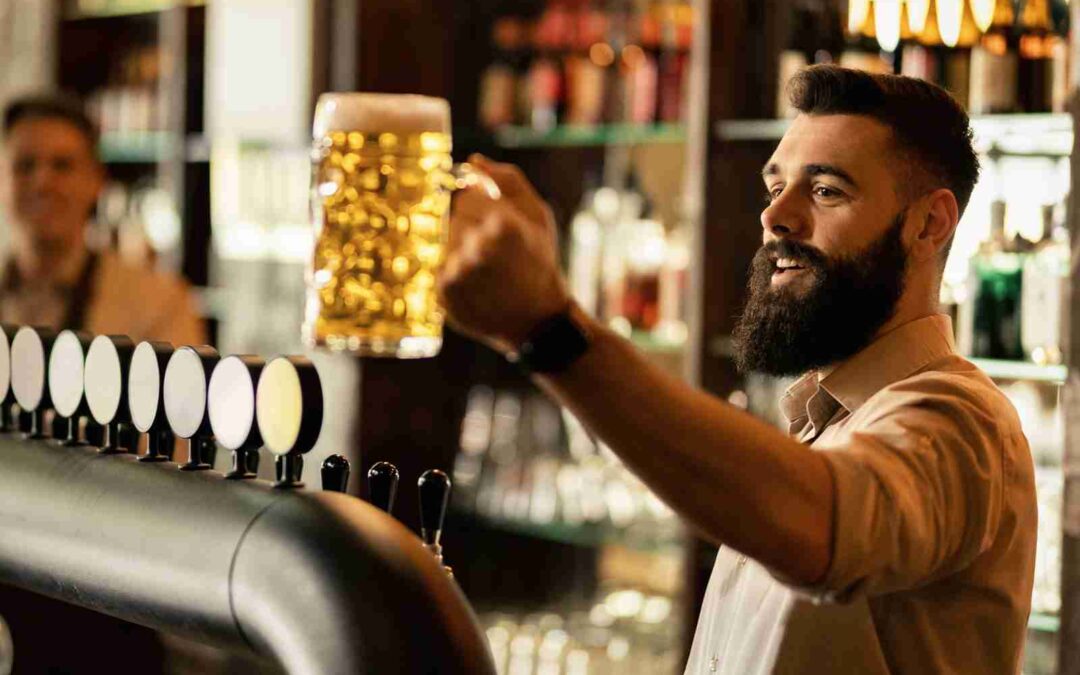
Greetings from the fascinating world of Belgian beer! Belgian Beer Cafe offers a pleasurable experience for beginners because of its lengthy history, a wide range of types, and superb craftsmanship. This primer will introduce you to the fundamentals of Belgian beer. It will help you confidently navigate the wide selection, whether you’re a beer enthusiast ready to broaden your horizons or a curious novice looking to go on a tasty trip.
Recognise the Culture of Belgian Beer: It occupy a particular place in the hearts of beer enthusiasts everywhere. It cherishes its tradition, creativity, and connection to the monastery brewing. It is firmly established in Belgian culture. It recognises and appreciates the importance of Belgian brewing as a cultural and gastronomic treasure. Further embracing the nation’s brewing legacy. Belgian beer production began long before Belgium gained its independence, possibly even before the First Crusade. To raise money, the French and the Flemish produced beer. The reason being, the contaminated state of the drinking water at the time, people drank beer more frequently.
Belgian beer is renowned for its complexity and range of flavours, which include anything from fruity to peppery. But what distinguishes Belgian beer and makes it so excellent?
The tradition and knowledge of brewing prevalent in Belgium are important elements. A profound understanding of the brewing process and the capacity to produce beers with unique flavours and aromas are the results of the nation’s extensive brewing heritage.
The flavour of many Belgian beers is further enhanced by the use of unusual ingredients like wild yeast strains and spices. It’s important to pay attention to the beer’s scent, flavour, and appearance.
Together, these components produce a truly delicious and unforgettable experience. Be sure to appreciate the rich history and skill behind each brew, whether you’re a seasoned beer lover or new to the world of Belgian beer.
The use of unusual ingredients like wild yeast strains and spices enhances the particular flavour of many Belgian beers.
How to Choose a Belgian Beer
It might be difficult to select because there are so many flavours and kinds. However, with a little assistance, you can locate the beverage that best suits your palate. Here are some suggestions to assist you in making a wise choice:
Think about flavour profiles. Belgian beers are recognised for having intricate flavour profiles. When selecting a Belgian beer, consider whether you want hoppy bitterness, malty sweetness, fruity and flowery overtones, or a balance of flavours. Explore the various beer styles and the flavour profiles that go along with the food. And you’ll have a better understanding of what appeals to your taste buds.
Discover Beer Styles: There are many Belgian beer styles, each with its distinctive characteristics. Learn about the many styles, including Belgian ales, wheat beers, IPAs, lagers, and stouts, to mention a few. You can learn more about beer and determine your preferences by playing with a variety of kinds because everyone has their distinctive flavours and brewing methods.
belgian beer cafe
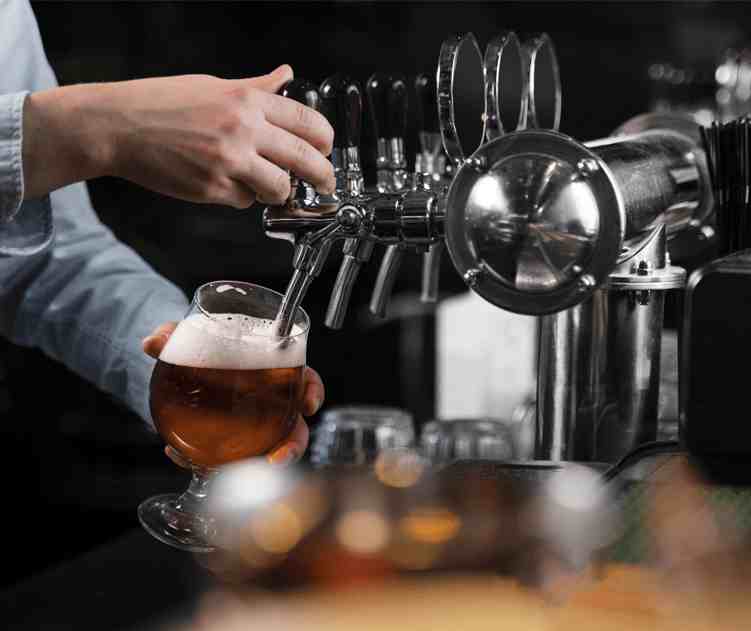
Recommendations: If you’re new to the world of Belgian beer or simply want to try something different. Requesting advice from a Belgian beer cafe or barman can be incredibly helpful. They will be able to make recommendations for beers depending on your taste preferences and provide information about the various styles.
Trust Your Palate: In the end, your palate is what matters most when selecting the best beer. Your taste preferences mean you might not like something that other people find to be their favourite. Consider your tastes, give fresh beers some time to develop, and go with your gut. The most important thing is that you enjoy yourself. Apart from this, embrace variety and do not be afraid of experimenting with different flavours. Be open. You never know where you get that tinge of love and taste.
Think About Food Pairings: Couple the Belgian beers with food because the beer flavours go well with a variety of foods. Pick a beer that will go well with the food you’ll be eating. For instance, fruity Belgian beers go well with desserts, whereas heavy stews and cheeses go well with Trappist ales.
These recommendations will help you pick a Belgian beer that suits your palate and goes well with your meal. So, visit a Belgian Beer Cafe today to begin learning more about it!
Then hold the glass up to your nose and inhale deeply. fragrant chemicals. You might pick up fruity aromas like cherry, banana, or citrus, spicy undertones like coriander or clove, or toasty, malty aromas. Between different beer varieties and even between different beers from the same brewery, aromas can vary greatly. Spend some time savouring the subtleties and complexity of each beer’s aroma. Drink and enjoy.
It’s time to sip the beer right now. Before swallowing, take a small sip and let it roll around your tongue. Take note of the flavours of the beer, which can range from fruity and sweet to bitter and earthy. Pay attention to the mouthfeel: is it creamy and full-bodied or light and refreshing? Allow the beer to linger on your palate and take note of any lingering aftertaste. Take your time and enjoy every sip. Belgian beers are renowned for their complexity and depth of flavour.
The experience of drinking beer involves all the senses—sight, smell, taste, and even the history of the brews. It is a genuine artisanal beverage that should be savoured and appreciated. You may truly enjoy the depth and complexity of these world-class brews by selecting the appropriate glasses, paying attention to the appearance, taking in the scents, sipping and savouring them, and pairing them with food. Visit a bistro bar in Dubai now to put your newly acquired knowledge to the test by ordering a Belgian beer!
by bbc.gmhd | May 15, 2023 | blog
Belgian beer cafes have grown in popularity over the years and provide beer drinkers worldwide with a unique dining option. These cafes provide a wide variety of Belgian beers, each with distinctive flavours and qualities. Furthermore, Belgian beer cafes frequently serve delectable food that goes well with the beers they have on tap. The history of Belgian beer, its unique flavours, and advice on combining Belgian beer with food are all addressed in this guide. We will also discuss the Saturday brunch and bistro bar experiences at our Belgian beer cafe in Dubai in more detail.
Belgian beer’s history and its unique flavours. Beer brewing has an extensive and distinguished past in Belgium, with records extending as far back as the Roman Empire. The development of Belgian beer was greatly influenced by monasteries, many of which produced beer to support themselves. Belgian brewers have produced a wide variety of beers over the years by evolving their distinctive styles and methods.
Belgian beer is renowned for its variety, offering wide varieties and flavours. Belgian beer comes in a variety of popular styles, including:
Belgian Dubbel: This malty, black beer has hints of spice and dried fruit in addition to a mild sweetness.
Belgian Tripel: This beer has a light colour, a flavour that is fruity and spicy, and a slightly bitter finish.
Belgian Saison: This beer has a fruity, spicy flavour and a dry finish. It is light and energising.
Belgian Witbier: This beer has a clean finish, a light colour, and a hazy appearance. It tastes citrusy and peppery.
We frequently provide a wide range of Belgian beers, each with a unique flavour profile. There is a Belgian beer that will suit your taste, whether you prefer a light, crisp beer or a dark, malty brew.
The Experience of the Belgian Beer Cafe in Dubai
Belgian beer cafes provide a great experience for beer enthusiasts. It offers a warm and welcoming ambience, ideal for relishing a cold beer and a mouthwatering meal. Belgian Beer Cafe also gives you a bistro-bar atmosphere, which is ideal for an evening out with friends. A frequently offered menu on the bistro bar menu- A wide variety of small plates, shared entrees, and a large beer selection.
A diverse collection of Belgian beers is frequently available both in bottles and on tap in these cafes. Belgian beer cafe staff have a thorough understanding of the few beers on tap. Also, they guide you in selecting the ideal beer to complement your meal.
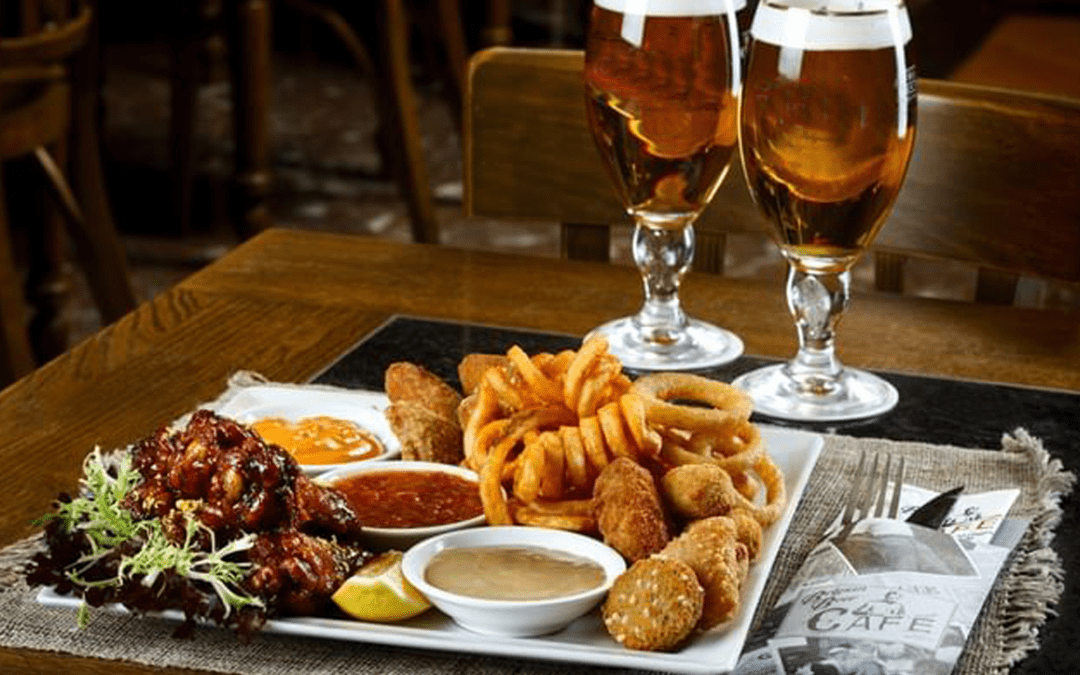
Moules-frites, charcuterie boards, and Belgian beef stew are a few of the often-ordered foods. Of course, there is also a sizable assortment of Belgian beers, each with an individual flavour profile.
Belgian beer cafes usually provide excellent cuisine that pairs well with the wide variety of beers they offer. In addition, with their broad beer selection, there is bound to be a cuisine that goes well with your preferred beer. From robust stews and moules-frites to light salads and sandwiches, a perfect cuisine to pair with the flavourful wine.

Belgian Beer Cafe
The Experience of Saturday Brunch at a Belgian Beer Cafe in Dubai
Anyone who enjoys both superb cuisine and beer must try the Saturday brunch at a Belgian beer cafe in Dubai. It provides local beer drinkers with an exceptional experience.
Usually, the menu is full of wide meal options of the brunch menu, both savoury and sweet. It is likely to be a cuisine that piques your interest, from Belgian waffles and pancakes to eggs benedict and croque monsieur. No brunch would be complete, of course, without a refreshing glass of Belgian beer to wash it all down.
Beer and food pairing is an art, and Belgian beer is no different. And It’s critical to consider the flavour profiles of both the beer and the meal when combining Belgian beer and food. Here are some suggestions for combining Belgian beer and food:
Belgian Dubbel: This beer goes well with substantial, fatty foods like braised meats, strong cheeses, and stews.
Belgian Tripel: This beer goes well with grilled meats, seafood, and spicy foods.
Belgian Saison: This beer goes nicely with salads, seafood, and grilled vegetables, among other light fare.
Belgian witbier: This beer goes well with salads, seafood, and grilled chicken, among other light fare.
The intensity of the flavours should also be taken into account when combining beer with food. A Belgian Witbier, for instance, would go well with a light, zingy salad. Whereas a Belgian Dubbel, which is heavier, would go well with a deep, meaty stew.
Advice on How to Match Belgian Beer with Food
Here are some more suggestions for combining Belgian beer with food:
Have a look at the ingredients: Coriander, orange peel, and candy sugar are just a few of the unusual ingredients included in many Belgian beers. When selecting a cuisine to accompany beer, take into account the ingredients in the beer.
Match intensity: Serve foods with a similar level of flavour intensity to the beer. While a heavy beer would go well with a rich, delicious dish. A light beer would go well with a light dish.
Try different combinations without being afraid to experiment! You might discover a new combination that you like.
The best way to learn more about Belgian beer and discover new flavours is to attend tastings for this beverage. Since a variety of beers and food pairings are offered at the events, you will have the opportunity to try a variety of different beers and learn more about their special characteristics and flavour profiles. If you are a beer lover visiting Dubai, you should try the Saturday brunch and bistro bar experiences at a Belgian Beer Cafe. It is important to consider the flavour profiles of both the food and the beer. And most importantly, you should not be averse to experimenting with new flavours and combinations.
by bbc.gmhd | May 15, 2023 | blog
Since Belgian beer has a long history dating back centuries, it is not surprising that it has become an iconic beverage enjoyed across the world. The intricate entwining of Belgian beer with Belgian tradition and culture makes it so fascinating to study. And visits to Belgian beer cafes are among the best ways to experience Belgian beer and learn about its history. In this post, we’ll explore the world of Belgian beer and learn about its traditions, varieties, and distinctive qualities.
Introduction to Belgian Beer and its History
Belgian beer is renowned for its long history and superb flavour. Belgian beer is unique due to its use of a variety of ingredients and a unique yeast strain. Records of beer brewing date back to the Middle Ages, and beer continues to be an integral part of Belgian culture. Belgian brewers have created some unique flavoursome beer varieties all over the world.
Long before Belgium gained independence, during the time of the First Crusade, French and Flemish abbeys began brewing and selling beer as a way to raise money. The seven centuries that followed saw the development of the typical craft brewing techniques used today, which were greatly influenced by Belgium’s abbey brewers.
Even if all of the goods produced by modern abbey breweries fail to conform to rigid brewing standards. Yet the majority of them tend to feature the most identifiable. Trappist-type beers: dark brown dubbel ales, powerful golden tripel ales, and blonde ales. Belgium is a popular destination for beer-loving tourists from all over the world, with about 235 breweries producing thousands of different beers.
One of the key factors that set Belgian beer apart is the use of a wide variety of ingredients, including fruits, spices, and herbs, which gives the beer a complex flavour profile. A unique yeast strain used by Belgian brewers adds distinctiveness to the beer.
Belgian Beer Styles and Their Unique Characteristics
Belgian beer is renowned for its enormous range of types, each with unique features. Here are the most loved classic Belgian beer:
White beer, or witbier: A light, flavorful wheat-based brew that tastes better with coriander and orange peel.
Dubbel: A dark, malty beer with a rich caramel flavour.
Tripel: A solid, golden beer that tastes fruity and peppery.
Saison: A flavorful, light beer with a hint of spice and fruit.
Lambic: A sour beer produced with wild yeast and matured in oak barrels
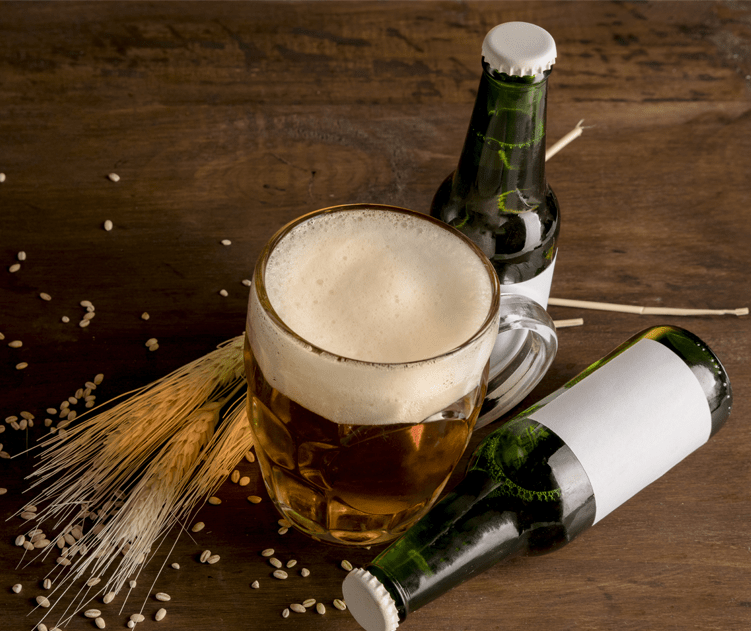
These are just a few of the various kinds of Belgian beer that are offered. Each style is interesting to explore because it has its flavour profile and background. The glass’s design significantly impacts the beer’s flavour, making it an essential component of the Belgian beer experience.
The Rise of Belgian Beer Cafe
Belgian beer cafe has become increasingly popular in recent years, offering a unique experience for beer enthusiasts. They have been around for centuries, but it wasn’t until the 1990s that they began to gain popularity outside of Belgium. Today, they can be found in cities around the world, offering a taste of Belgian culture and history.
The Experience of Visiting a Belgian beer cafe
Visiting a Belgian beer cafe is an experience like no other. The relaxed atmosphere and wide selection of beer make it the perfect place to unwind and enjoy a cold one. Whether you are a beer enthusiast or just looking for a unique night out, a Belgian beer cafe is a great choice.
Our Belgian beer cafe in Grand Millennium is a perfect example of the Belgian beer cafe experience. Located in the heart of the city, this cafe offers over 50 different types of Belgian beer as well as a cosy atmosphere to enjoy them in. The traditional Belgian style decoration, with dark wood panelling and stained glass windows, is fascinating. The staff is knowledgeable about Belgian beer and can help you choose the perfect beer to suit your tastes.
History of Belgian Beer
The Food & Drink Menu at The Belgian Beer Cafe
A Belgian beer cafe often includes a menu of classic Belgian meals in addition to its extensive beer selection. The food complements beautifully with the various types of beer elevating the overall experience.
Among the most well-liked foods are stoolies (beef stew), croquettes (deep-fried appetisers), and moules-frites (mussels with fries). All of these dishes are filling and delectable, making them the ideal match for a cold Belgian beer.
Tips for Enjoying Belgian Beer & The Belgian Beer Cafe Experience
Here are some suggestions to keep in mind, whether you are new to Belgian beer or the Belgian beer cafe experience. Looking for recommendations from the personnel is an excellent first step. They might help you select the right beer to suit your tastes because they know Belgian beer.
Second, ensure that you try a range of various beer varieties. Each of the numerous different styles of Belgian beer has an individual flavour character. Last but not least, take your time and relish the occasion. The whole point of Belgian beer culture is to take it easy and relish the moment.
Belgian Beer Festivals & Events
Belgium Beer Café, holds Numerous beer festivals and events annually. These gatherings provide an opportunity to try a wide range of Belgian beers while learning more about their history and culture. The Belgian Beer Weekend, the Zythos Beer Festival, and the Brussels Beer Festival are a few of the most well-liked occasions. These events are an excellent way to learn about Belgian beer culture and attract beer fans from all around the world.
What makes Belgian beer and the Belgian beer cafe interesting? Both Belgian beer and the Belgian beer cafe are interesting to explore because of their fascinating pasts, different styles, and casual ambience. A Belgian beer cafe is a terrific option if you enjoy a beer or are just looking for a fun night out. Here you authentic taste of Belgian culture that is not to be missed with its extensive beer variety and classic Belgian meals. So why not give it a shot and learn about Belgian beer’s fascinating past for yourself?
Discover for yourself the rich history and unique flavour profiles of Belgian beer by going to the local Belgian beer cafe.
by bbc.gmhd | May 15, 2023 | blog
Belgian beer is popular for its distinctive flavour and pleasant smell, thanks to the country’s rich brewing traditions. However, did you know that pouring and serving Belgian beer requires a certain level of finesse? Nobody wants to sip from a glass that is foamy. While some individuals try to stay away from the foam, others like the fizzing sound it makes. While we can easily remove the excess foam with a beer scraper or comb. The art of pouring Belgian beer involves more than just tipping the glass; it’s about creating the perfect head while preserving the flavour notes. Knowing how to pour and serve your beer properly will make a difference, whether at home or at a Belgian Beer Cafe in Grand Millennium Dubai.
In the article below, we will offer you a few tips on how to properly pour and serve Belgian beer. Whether you’re a seasoned bartender or simply looking to impress your friends at home, these techniques will elevate your drinking experience to new heights! After all, there is much more to it than simply opening a bottle or tapping a keg. Belgian beer’s texture, flavour, and fragrance may all be improved by correctly pouring it. By taking the time to pour the beer properly, you may dramatically improve the drinking experience and bring out the best aspects of the brew. It is capable of creating a moment that is genuinely remarkable.
Belgian Beer
How important is the art of pouring Belgian beer?
You cannot overlook the technique of serving Belgian beer. Your can improve your drinking experience by learning how to pour the perfect pint, which requires a certain amount of expertise and understanding.
First and foremost, it’s important to keep in mind that each different type of Belgian beer has a particular glass and pouring style. For instance, Lambic beers need a lot of head due to their naturally occurring carbonation, while Trappist beer customers demand an appropriate pour with a steady hand to prevent excess foaming.
Second, utilising the appropriate pouring techniques may help preserve the aroma and freshness of the beer. A drink that has been properly served will have a thick head, and this improves the taster’s experience by retaining the flavours.
As a consequence of mastering this process, bar or bistro cafes like Belgian Beer Cafe at Grand Millennium Dubai and Bistro Bar Dubai have achieved improved customer satisfaction levels and are able to serve their customers in a more timely way, especially for those who appreciate the worth of well-made alcoholic drinks. Pouring and serving Belgian beer correctly is vital for both leisure drinking and a livelihood in bartending. You’ll not only surprise your friends by correctly pouring Belgian beer, but you’ll also significantly improve the time you have with the drinks.
Let’s dive into how to pour it the right way: tips and tricks
Belgian beer serving and pouring is an art that demands precision, practice, and talent. Here are some hints and techniques to help you become an expert:
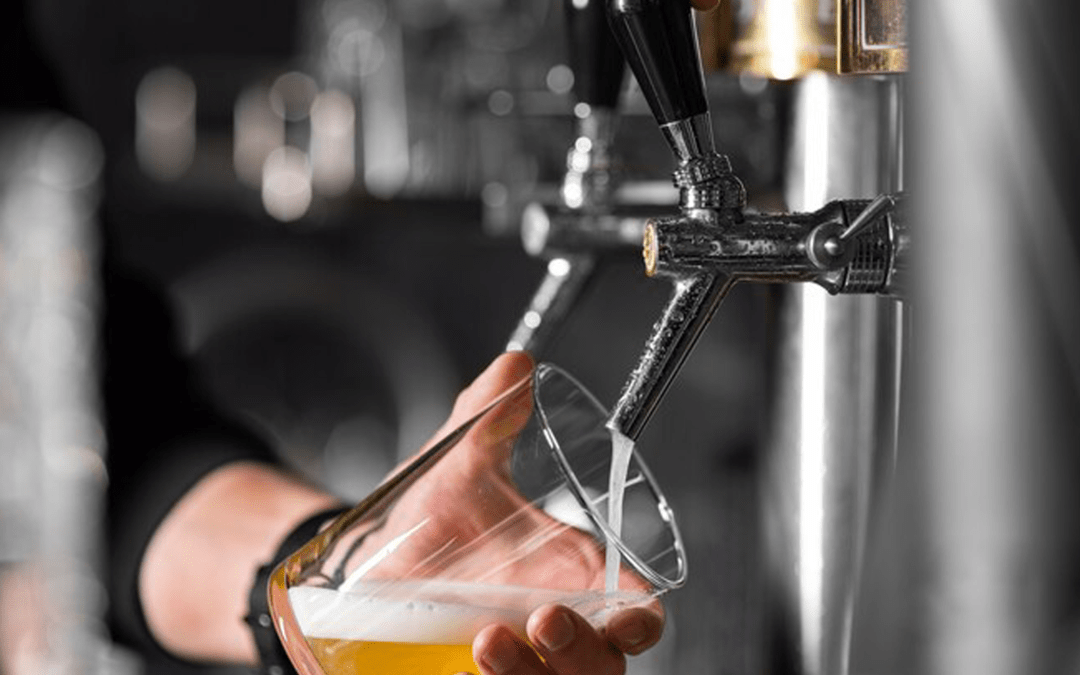
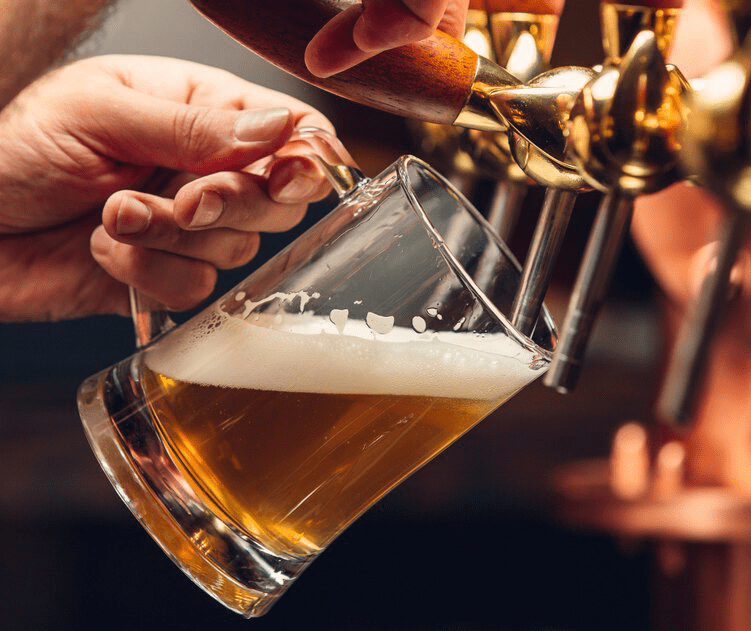
- Pour correctly: . The carbonation release will result in a thick, foamy head beer . To reduce the quantity of foam that forms, make sure to pour the beer down the edge of the glass.
- Hold properly: Gently pour Belgian beer into steady 45-degree-angled glass with minimum headspace. The carbonation will be released as a result, so that the beer can breathe and give it a thick, foamy head. To reduce the quantity of foam that forms, make sure to pour the beer down the edge of the glass.
- Temperature holds importance: For the finest flavour profile, serve the Belgian beers within a certain temperature range. Before pouring a beer, make sure your glasses are cooled in the refrigerator.
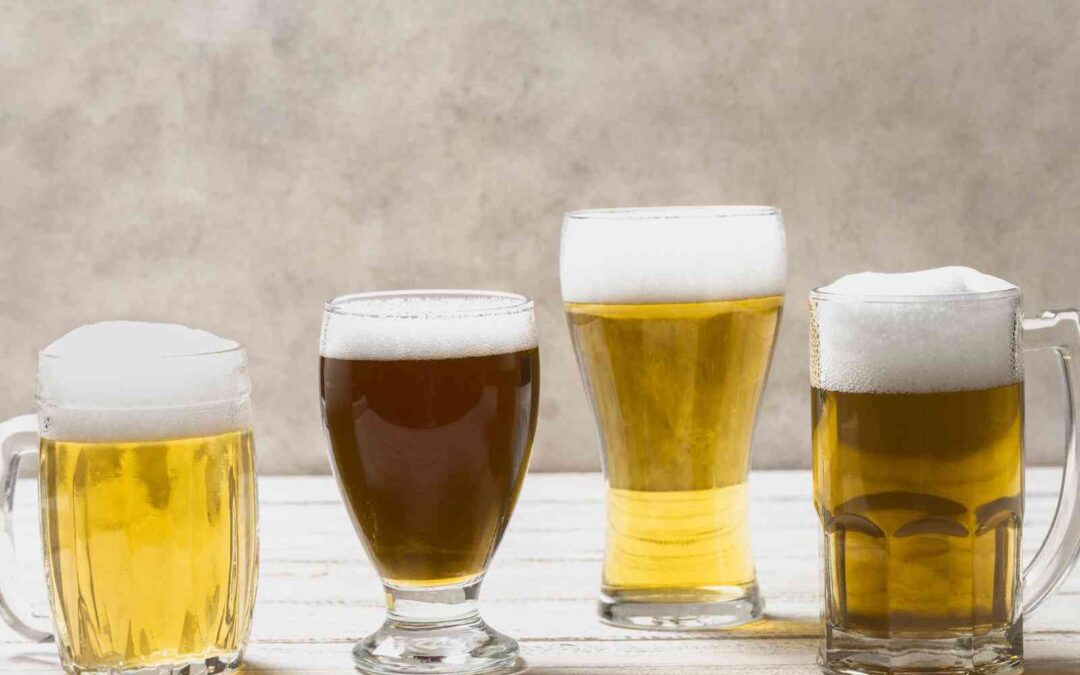
- Glassware Choice: You can influence the experience of drinking Belgian beer significantly by the choice of glassware. The correct glass will improve the flavour, colour, and level of carbonation while giving it an appealing appearance.
- Cleaning is important. If you keep your taps clean by regularly flushing them out, they won’t gather mould or residue from old kegs or chemicals used for cleaning. Rinse the glass with cold water to get rid of any remaining soap or substances before pouring the beer. Following this technique of hygiene won’t damage the beer by any unwanted smell or flavours.
- Use fresh beer: To fully appreciate the nuanced flavours of Belgian beers, freshness is essential. Take a moment to appreciate the beer’s appearance and aroma before you take your first sip.
If you implement these recommendations and methods into your skill set in the field of hospitality, you will be able to offer customers an unforgettable dining experience when drinking genuine Belgian beers, similar to what Grand Millennium’s Belgium Beer Café provides for those who visit it.
Conclusion
It’s undoubtedly one of the best beers in the world. For every taste, there is a Belgian beer. The way you pour and serve Belgian beer is necessary for getting the maximum joy out of your beverage. The unique flavours and textures from extensive brewing method can only be fully appreciated when properly served.
Keep in mind to select the appropriate glassware for each type of beer, maintain good temperature management, tilt your glass while carefully pouring, and provide enough room for head formation. Furthermore, if necessary, to sprinkle it with the proper condiments. You’ll be able to appreciate every sip of the rich flavour of best beer as intended by its brewers by using these straightforward tips and tactics for pouring and serving it. So feel free to make yourself a cold one right now!
by bbc.gmhd | May 15, 2023 | blog
Beer lovers from all around the world now frequently visit Belgian beer cafes. Here, you can have an unforgettable time while sipping on a large selection of beers. Each beer has its unique flavour and smell. Many people are unaware of the importance of the type of glassware to serve these beers. But the use of glassware to serve these beers can play a critical role in improving the drinking experience.
In this blog post, we will delve deeper into glassware’s role glassware plays at a Belgian beer cafe.
Understanding the Importance of Glassware
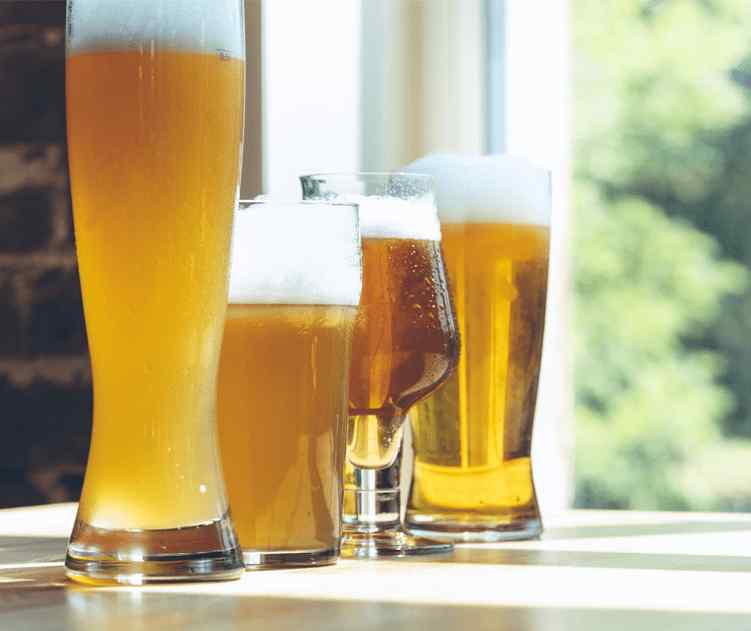
Belgian beer’s appeal is based on more than just its flavour. Beer is served in glasses that have been created specifically to improve the drinking experience. The glass’s shape, rim thickness, and even material composition can all impact how the beer tastes and smells. For instance, Belgian strong ales are frequently served in tulip-shaped glasses. The broad mouth of this glass allows one to thoroughly enjoy the aroma of the beer, and the inward curve at the top. This shape aids in holding the head in place and enhancing the taste of the beverage.
Contrarily, Trappist beers, which are renowned for their rich flavours, are served in chalice-shaped glasses. The big bowl of this glass allows the beer to breathe and unleash all of its aromas, and the stem maintains a cool serving temperature.
Additionally, Belgian beer culture reflects within its glasses. Ancient glassware at Belgian beer cafés are commonly used for centuries. This enhances the experience of drinking beer in a Belgian cafe. Overall, in addition to paying tribute to the history of Belgian beer.
Belgian Beer Cafe
The History of Belgian Beer Glassware
The history of Belgian beer goes back to the Middle Ages.
The “Koetsier” glass, a huge tankard with a lid that keeps out dust and insects, was the first glassware used to serve beer in Belgium. For various varieties of beer, several glassware designs evolved. The “chalice” glass is one of the most recognizable varieties of Belgian beer glasses and is used to serve Trappist brews. Since the Westmalle brewery was originally introduced in the 1950s, this glass has become associated with Trappist brews.
Given the religious background of Trappist beer. The glass design is greatly influenced by Chalices. They used such designs during Catholic Mass. The “tulip” glass, which is used to serve Belgian strong ales, is yet another well-liked design of beer glass used in Belgium. The objective of this glass is to enhance the beer’s aroma and preserve its rich flavours. The wide bowl of the glass allows the beer to breathe, while the inward curve at the top of the glass concentrates the smells and aids in keeping the head in place.
The Future of Belgian Beer Glassware
Belgian beer cafes are still a favourite hangout for beer lovers all over the world. The need for traditional Belgian glassware is rising along with the popularity of Belgian beer. There has been a resurgence in interest in traditional glassware in recent years, and many brewers are now creating their distinctive glasses to improve the drinking experience. There will probably be a higher need for distinctive glasses that emphasise the depth and subtleties of each brew as the craft beer market grows.
Belgian beer cafes cater contemporary tastes of today’s world while serving Traditional glassware. These contemporary glasses highlight the distinctive hues, smells, and flavours of each beer. Modern glassware is also frequently lighter and thinner, making it simpler to grasp and drink from. Moving away from conventional, bulky glassware in favour of more svelte, beautiful forms that are both aesthetically pleasing and practical has become popular. For instance, several breweries are now manufacturing “stemless” glasses, which resemble wine glasses but do not have a stem. One can use these glasses for everyday use to boost the aroma and flavour of the beer.
As technology develops, we might even start to see glasses with built-in sensors that can tell us details about the beer in your glass. For example, details of alcohol content and the brewing method. Overall, it appears that Belgian beer café glassware will continue to evolve with design and invention, to improve beer aficionados’ entire drinking experience.
Enhancing the Belgian Beer Experience
An experience that is unparalleled in the world combines the rich history of Belgian beer with cutting-edge brewing methods in Belgian beer cafes that provide a singular tasting experience.
Here, the type of glassware used to serve beer is a crucial component of the overall experience. No matter if you’re sipping a Trappist beer from a chalice glass or a Belgian strong brew from a tulip glass, the glassware is essential to enhancing the scent and flavour of the beer.
We would recommend that you take a glance at the glass before enjoying our refreshing beer. If you intend to visit a Belgian beer cafe. Besides the fact that it reflects the long history of Belgian beer, it improves the experience of drinking a beer in a Belgian café by reflecting its long history.
Does sampling the best of Belgian beer culture interests you? Visit Bistro Bar Dubai, the premier place to find Belgian food and drink. Enjoy a variety of Belgian beers served in vintage glasses and indulge in authentic Belgian cuisine. Learn more about the history and culture of Belgian beer by participating in one of our workshops. Experience Dubai’s best Belgian beer culture by making a reservation today.
